
Follow us on social media for updates and stories:
ABOUT THE LISTENING TABLES
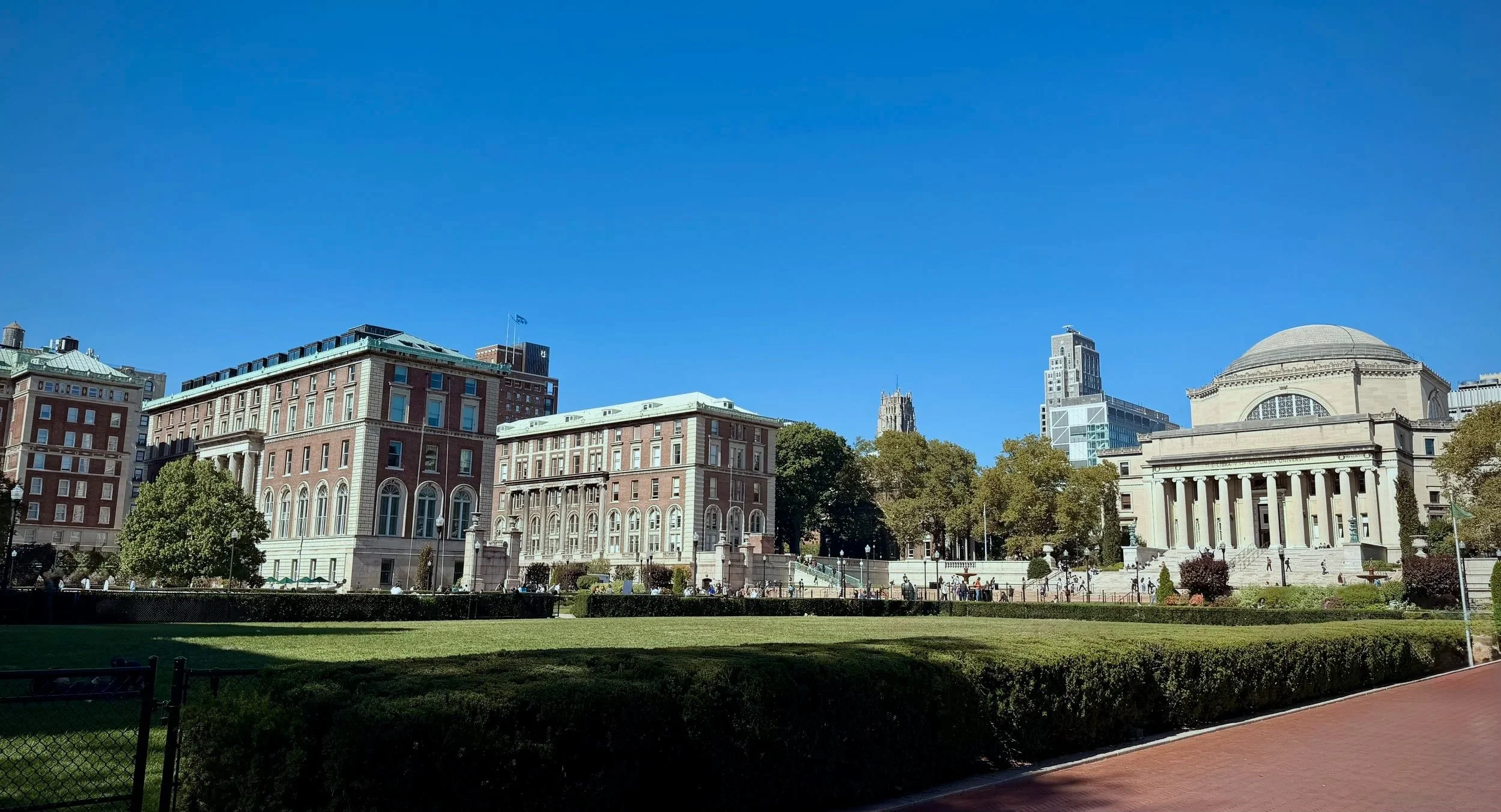
Columbia University has been torn by deep divisions in recent years between vital political activism and the need for the university to continue its regular activities in research and learning. There are ongoing discussions on campus about what it means to have empathy for others—and their feelings when confronted with various actions, symbols, and words. People in our community think differently about how far to extend the principle that speech and conduct should avoid what others experience as threatening and hurtful. Discovering this point—or just understanding the myriad points of view and experiences among us—can only be done through face-to-face dialogue. Listening is vital to such conversation. It opens up a space where curiosity about another way of thinking can take the fore, where we can genuinely listen to each other’s point of view, and where discomfort can be explored with respect and an open mind.
A diverse group of Columbia faculty, postdocs, and students at the Trust Collaboratory is involved in the Listening Tables program. The tables are meant to generate connection and understanding, as well as a reservoir of feedback and new ideas around both difficult topics. We believe Columbia has the capacity to be a model in which even the hardest problems can be discussed, minds can meet, people can grow, and community can be co-created.
WHAT’S NEW AT THE TABLES
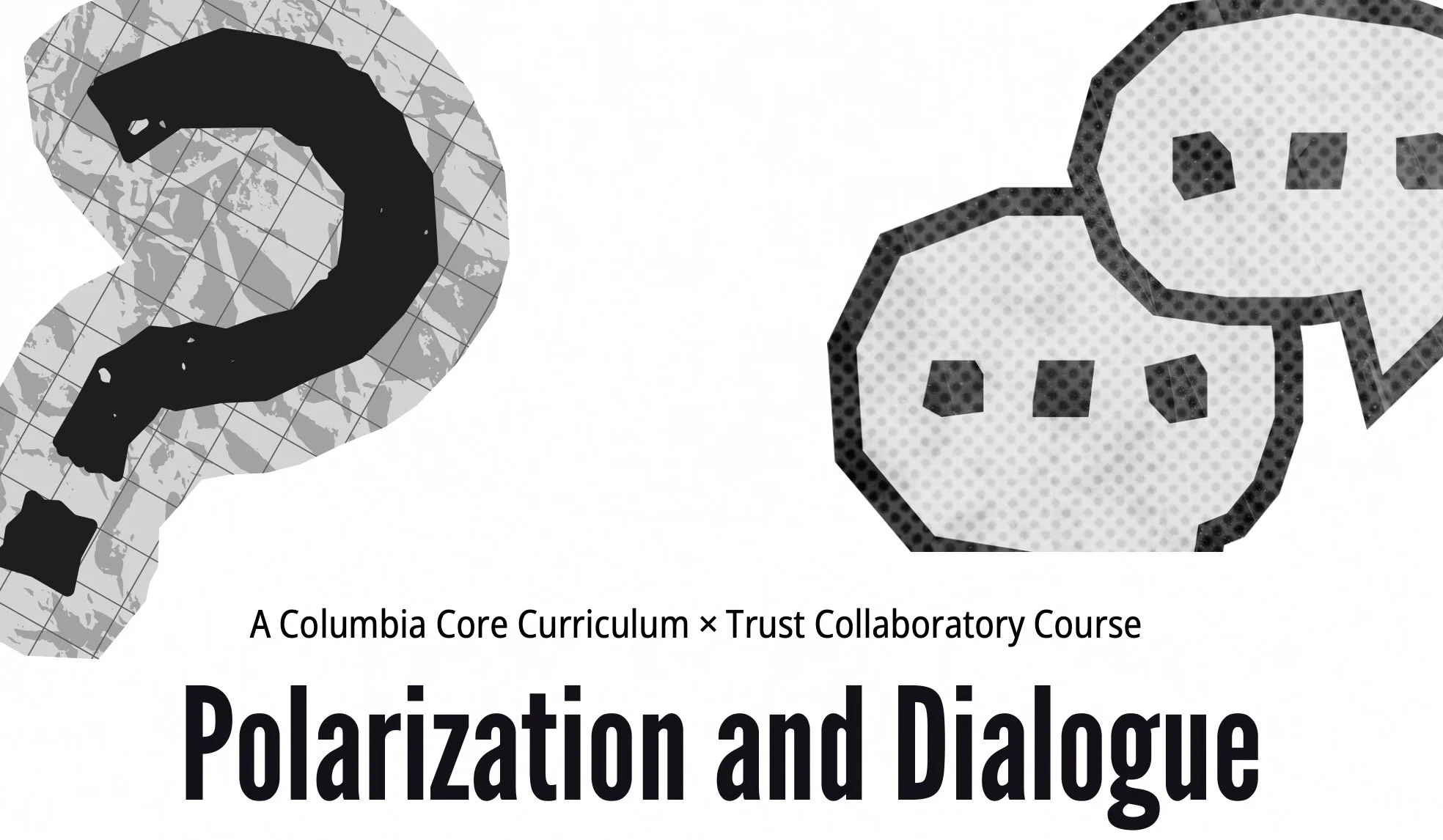
APPLICATIONS OPEN: Undergraduate Course for Dialogue and Civic Practice
2026 Theme: Polarization and Dialogue
This course looks at how polarization gets made, from political parties and propaganda to social media, the attention economy, and AI, and how those forces shape what we see, believe, and argue about. Throughout the course, we will keep coming back to the question of what dialogue can actually do in a divided society. Students will connect ideas from the classroom to the world around them and eventually develop their own questions and projects around the issues they care about.
How to Participate in a Session
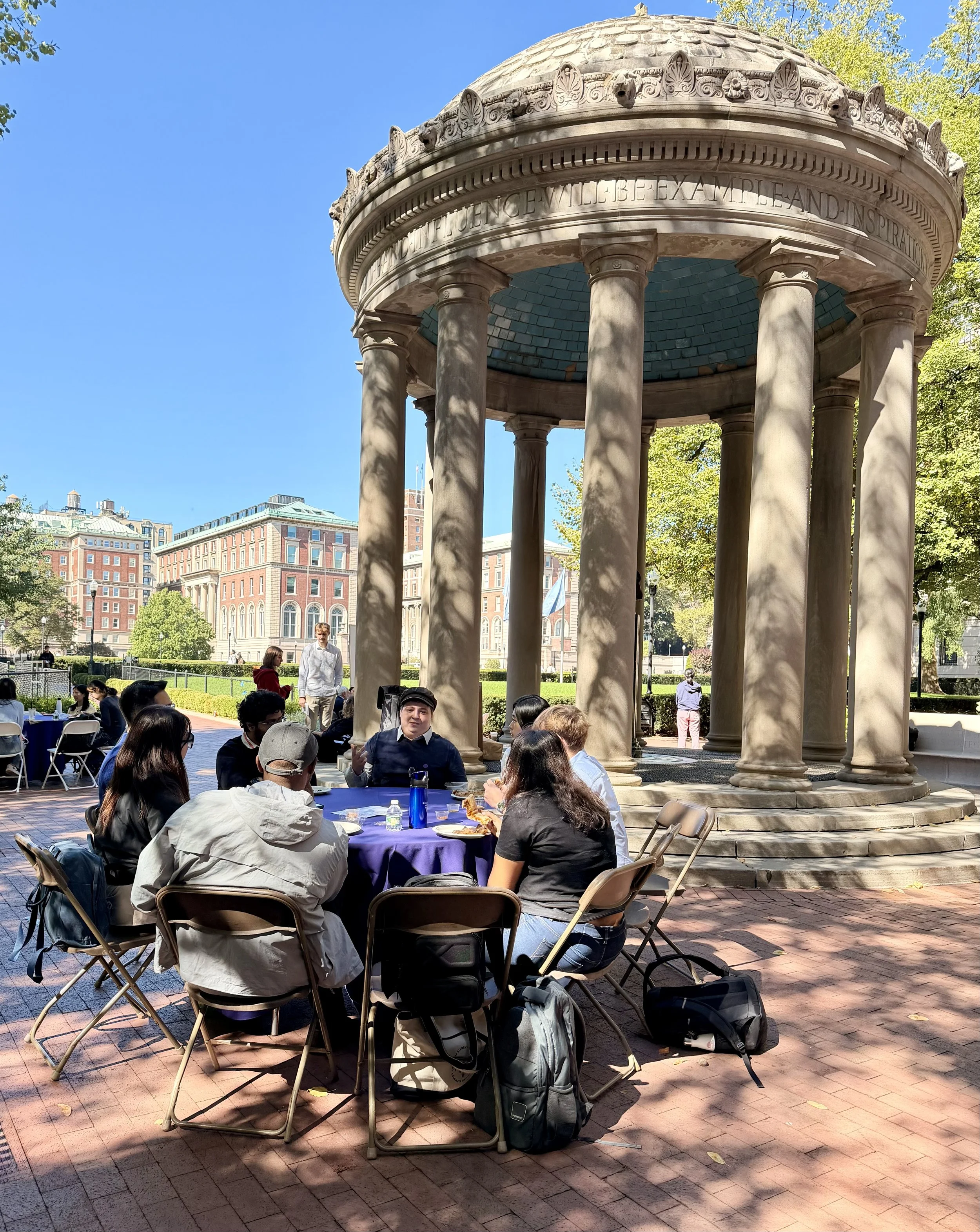
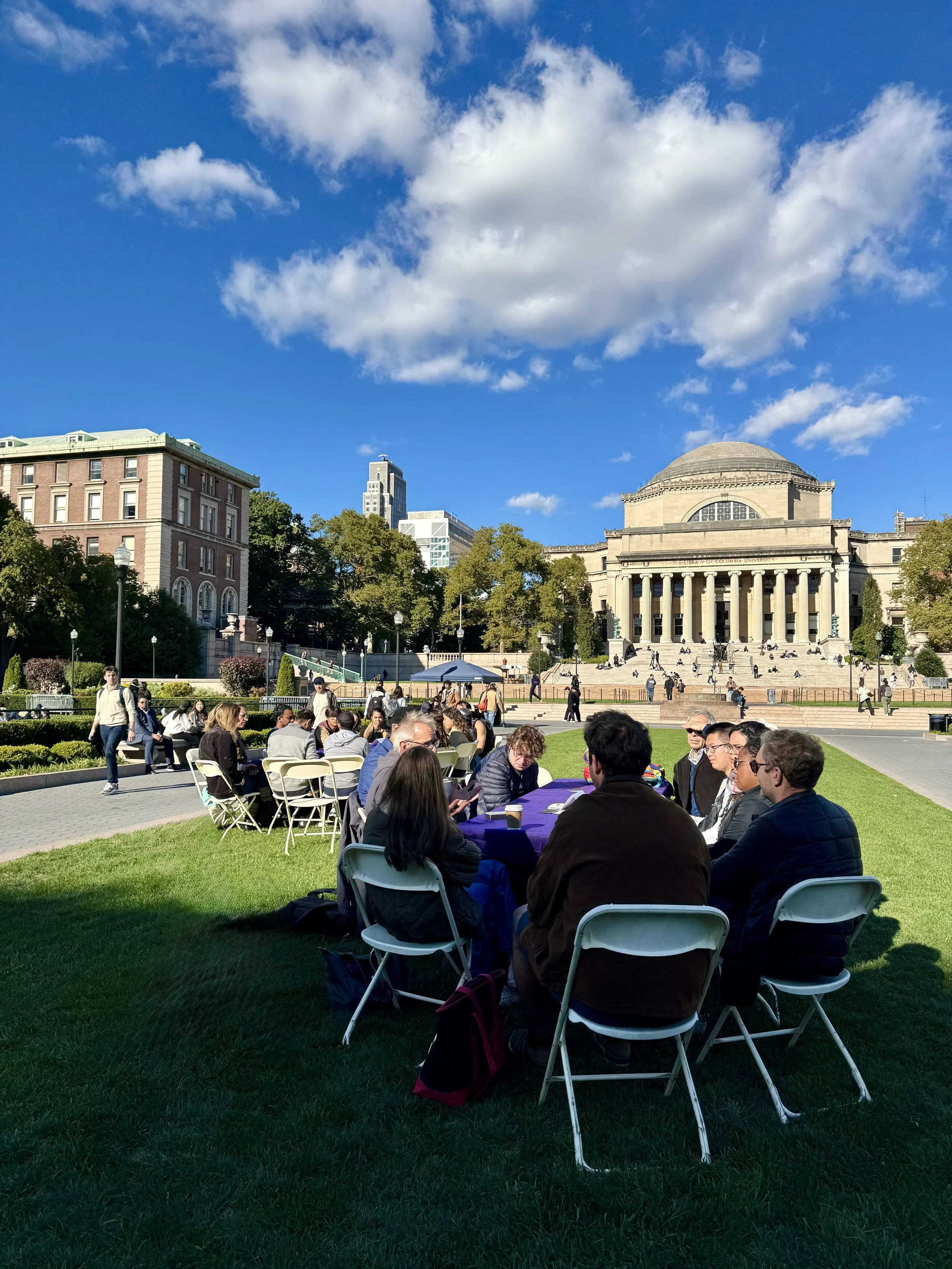
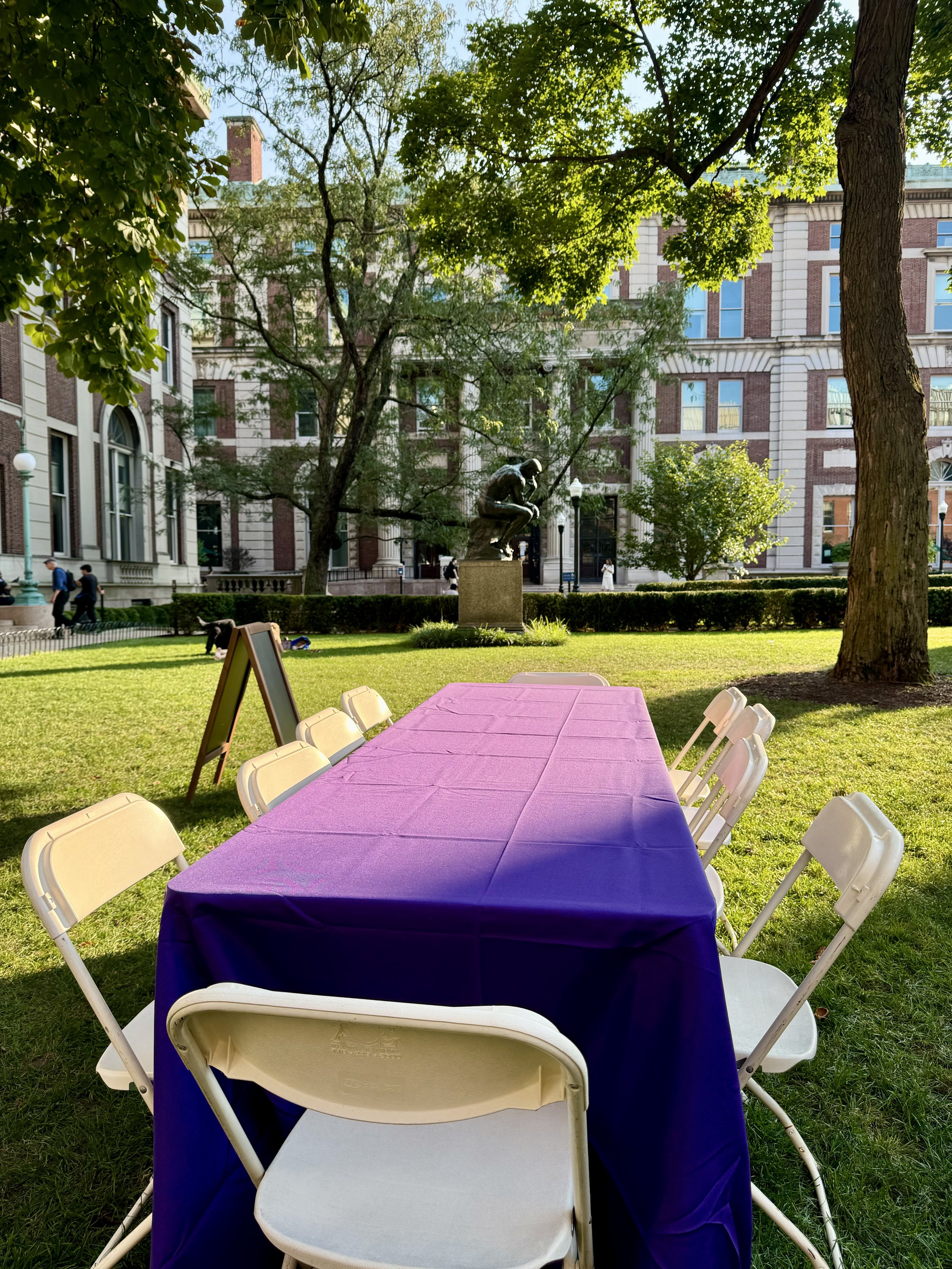
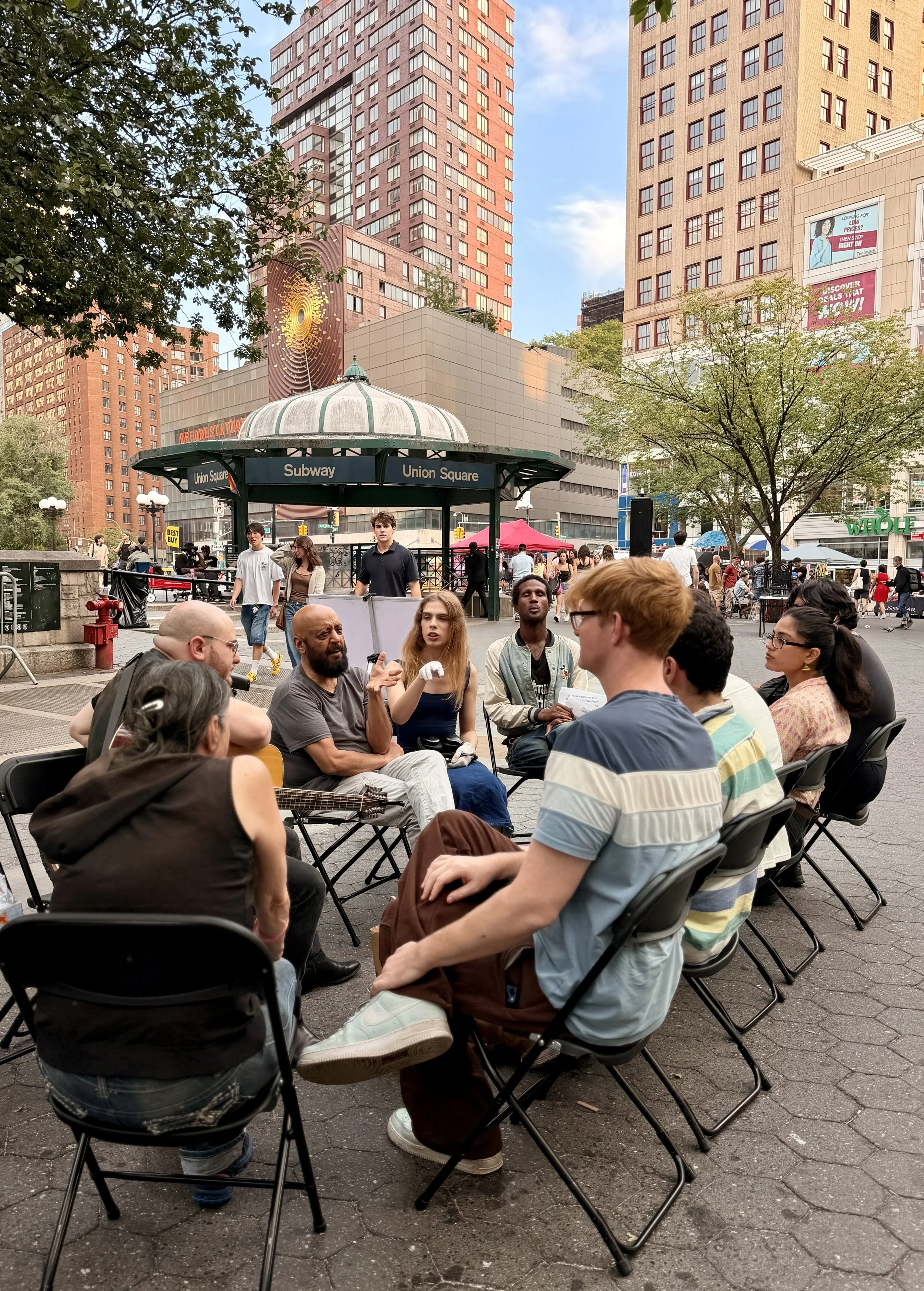
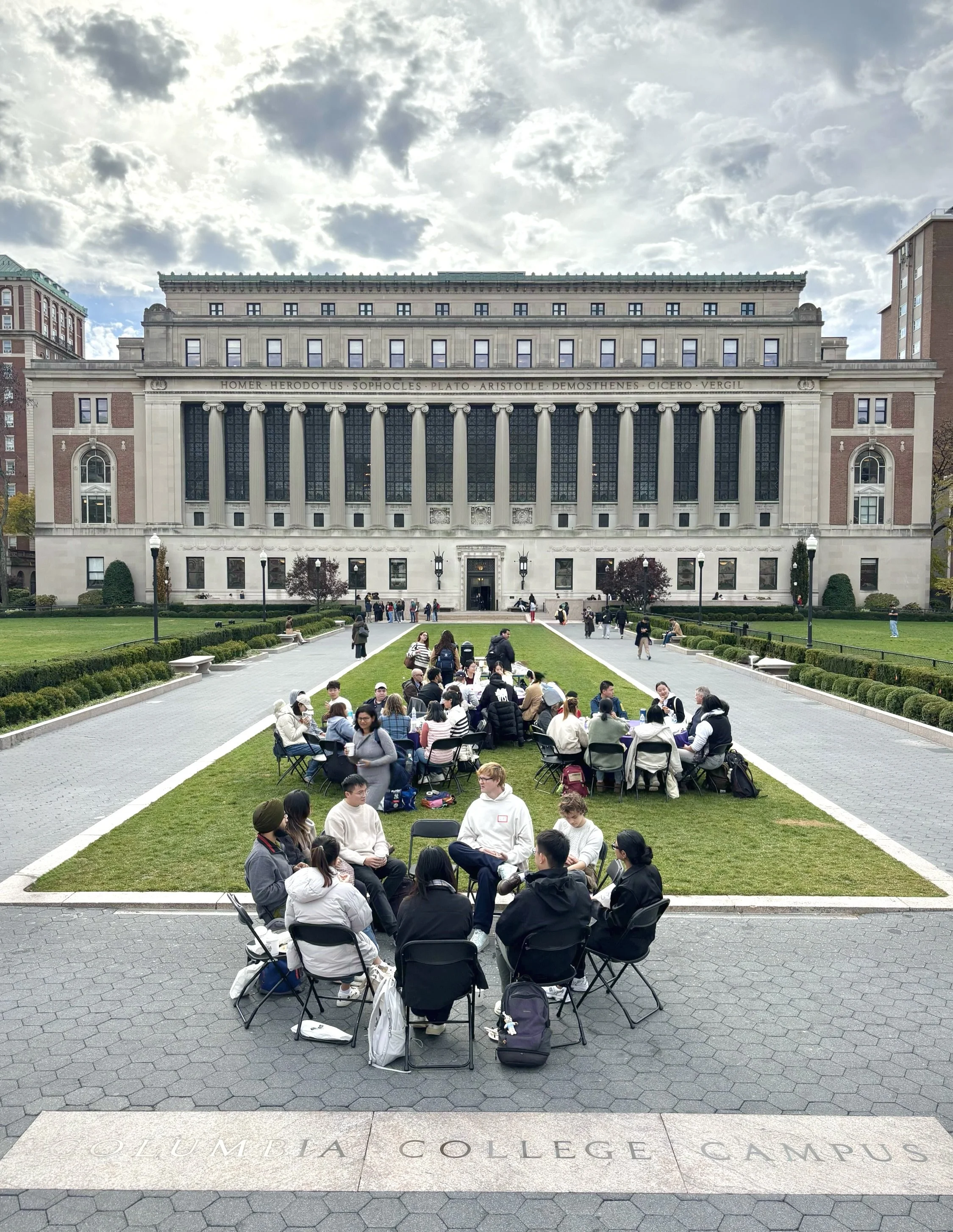
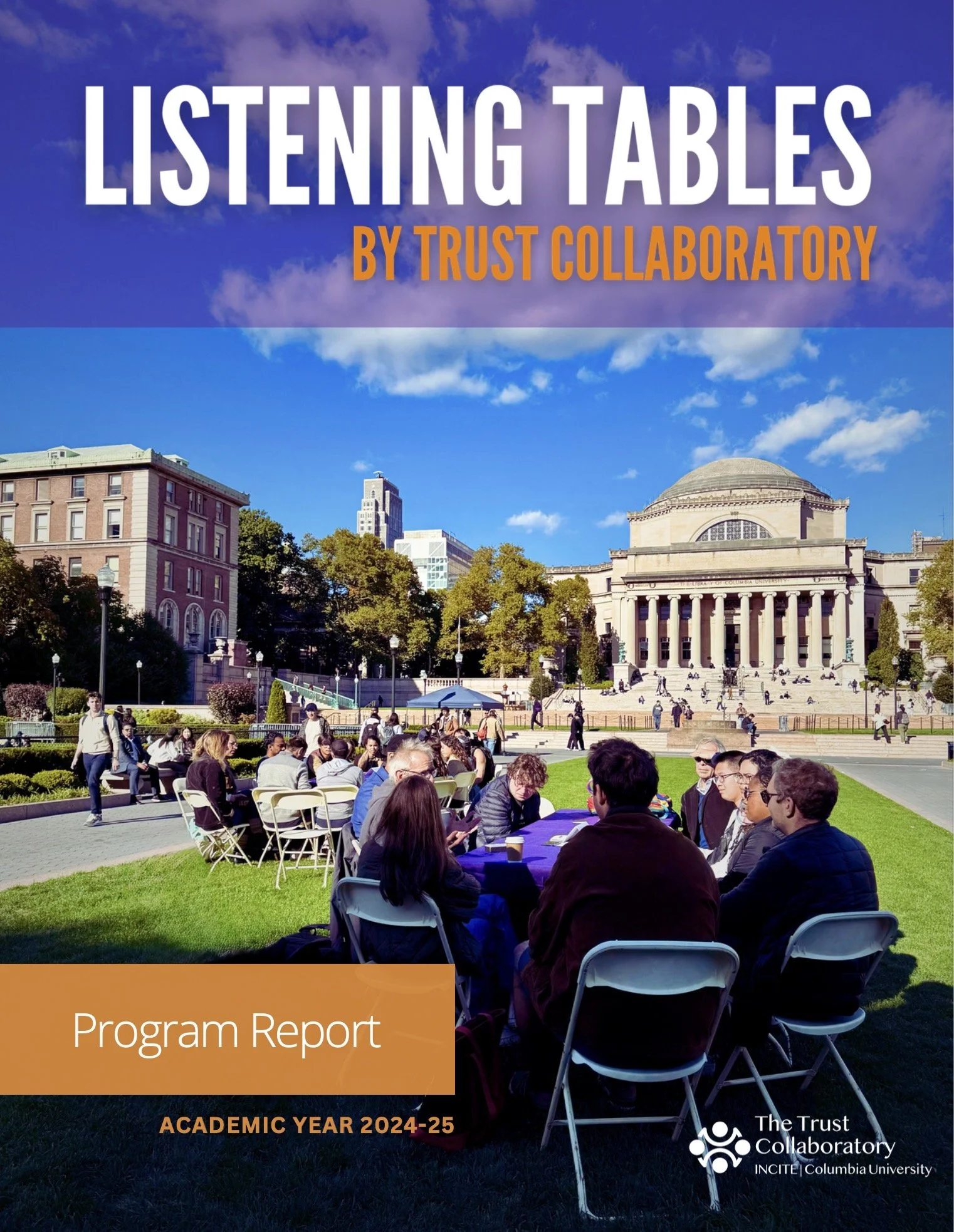
Columbia faculty, administrators, campus leaders, and students typically volunteer to host our tables as neutral facilitators. The conversations always vary. Food will be provided, and everyone is welcome to join. Look for Listening Tables in different spots on campus; you will recognize them by their purple tablecloths. Walk-ins are welcome, but we recommend registering in advance.
Registrations are hosted on our Luma sign-up portal. Click below to sign up for a session!
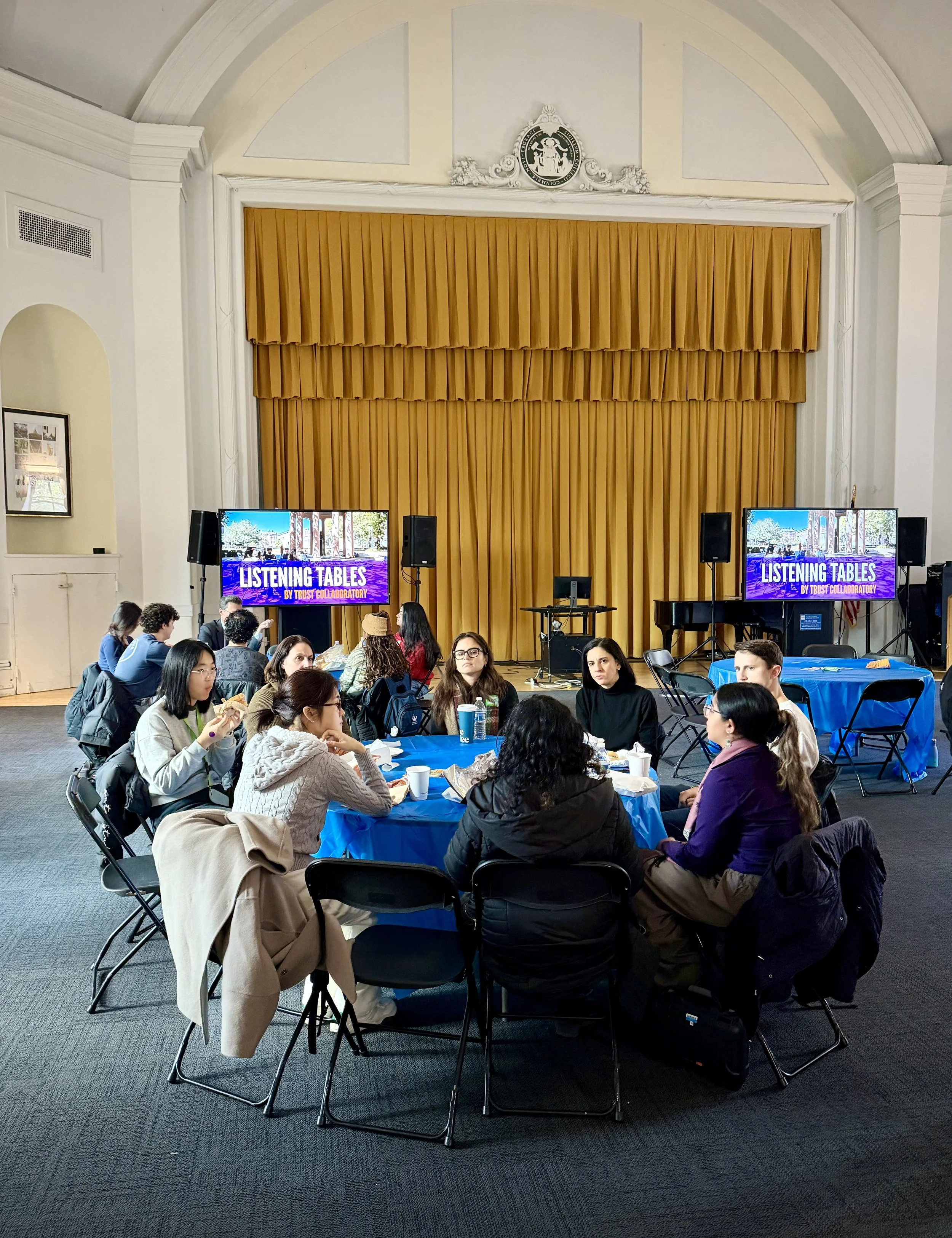
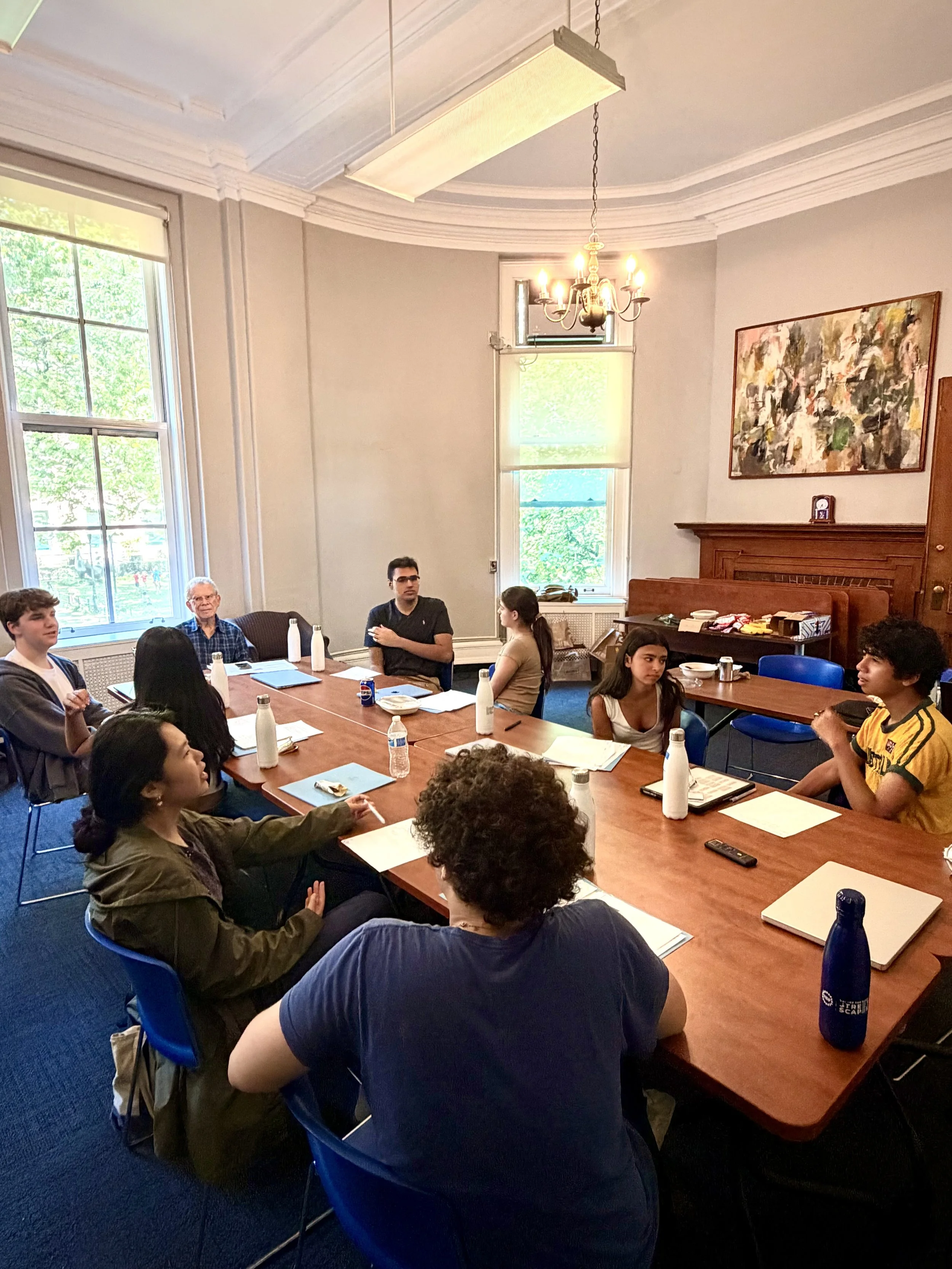
Hosts typically facilitate a 60-minute session to create a space where faculty, students, staff, and other members of the Columbia community can hear from others who may hold different opinions and perspectives. Hosts enable participants to hear what is uncomfortable to hear without feeling threatened and to put themselves in the other’s shoes without feeling censored. To help facilitate a conversation, we have prepared a hosting guide (click below).
If you wish to host a table, please email us.
How to Host a Conversation
OUR DIALOGUE PROGRAMS
OUR DIALOGUE WORK IN THE MEDIA





MEET OUR TEAM
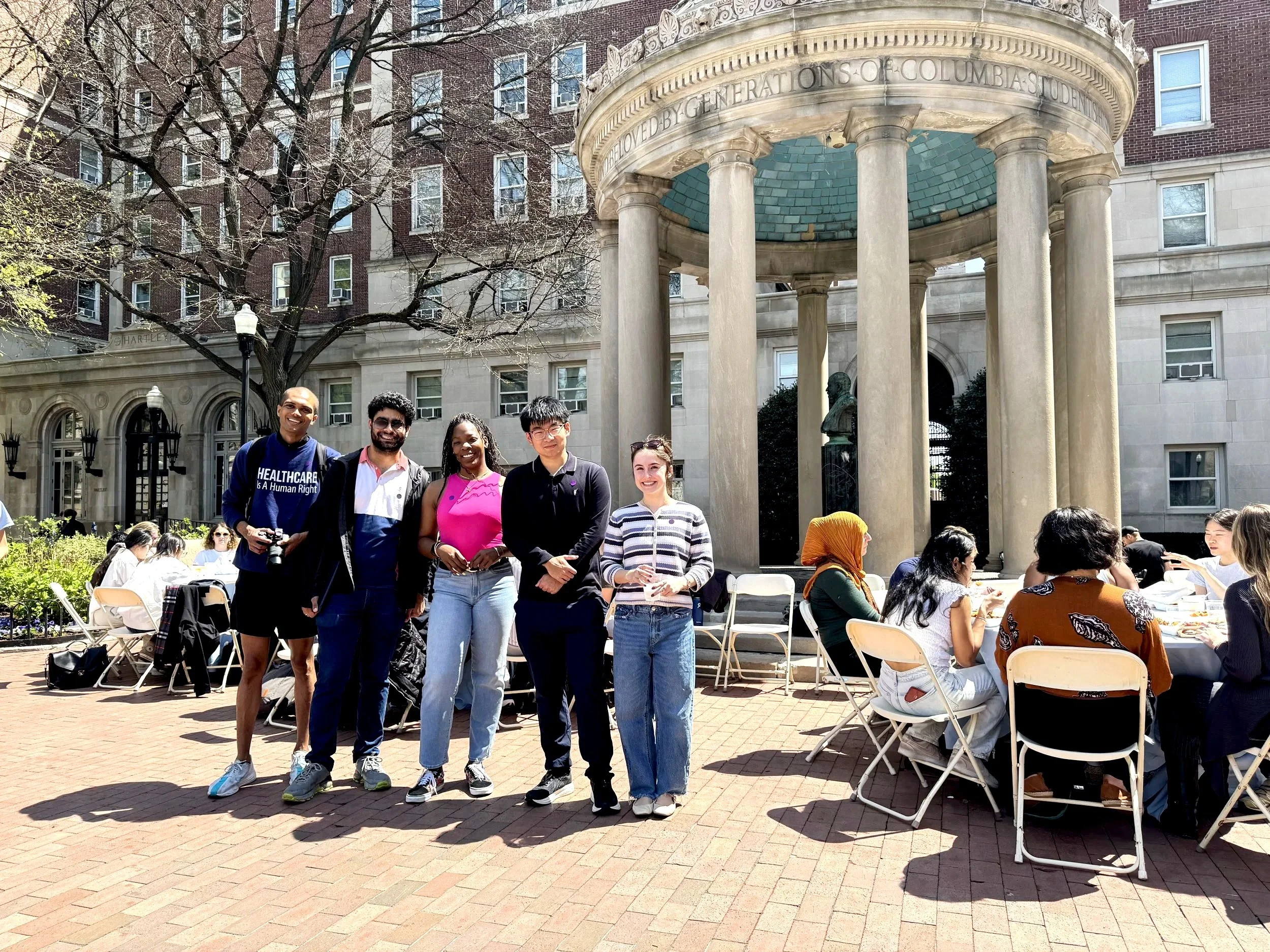
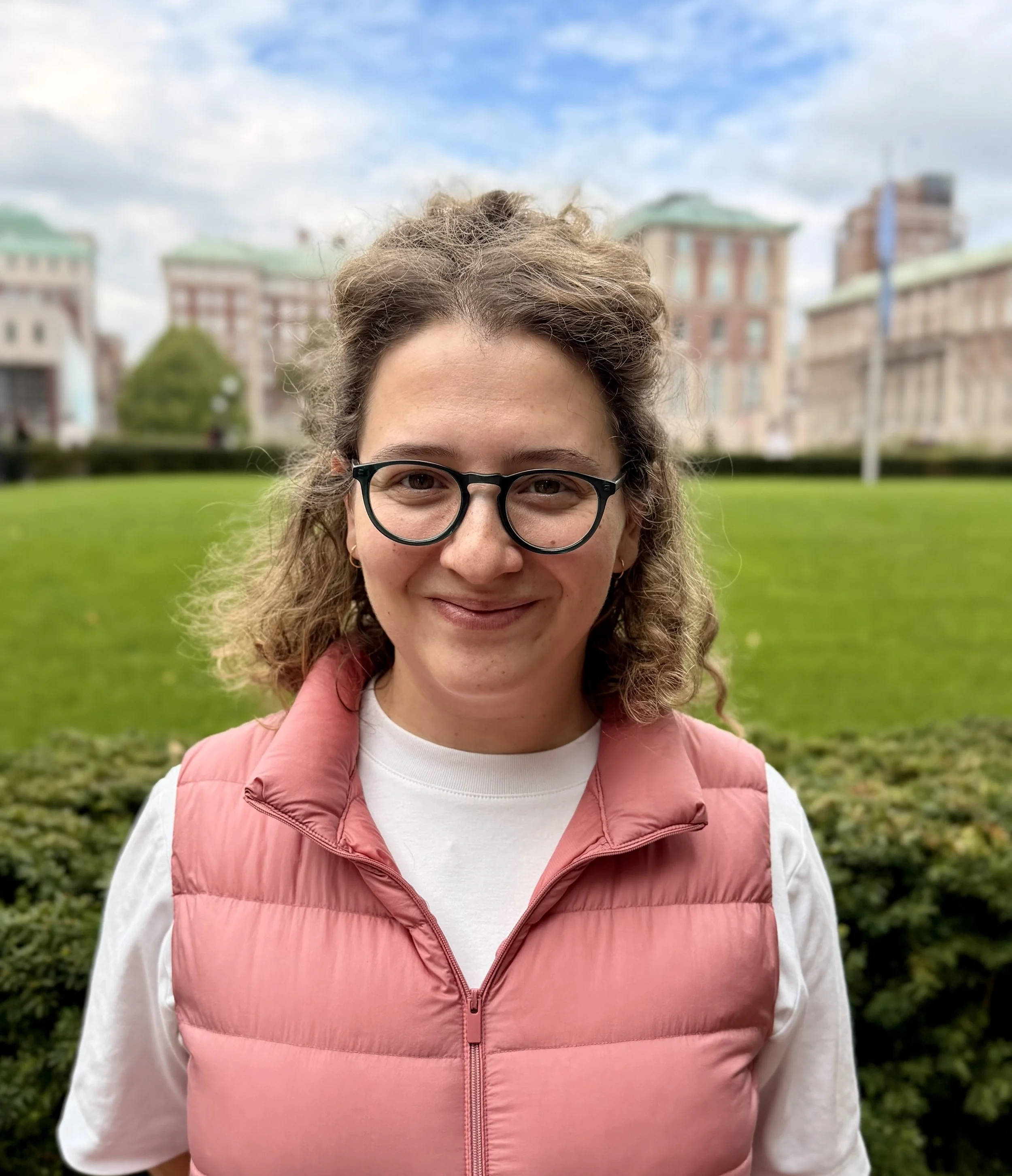
The Listening Tables are sustained by a dedicated team of Columbia faculty, postdocs, and students. Our team members come from different schools, disciplines, countries, faiths, and life experiences, and hold different roles within the university. Their ideas, energy, time, and heart make this project possible.
Do you want to get involved? Click below to contact us. We look forward to hearing from you.


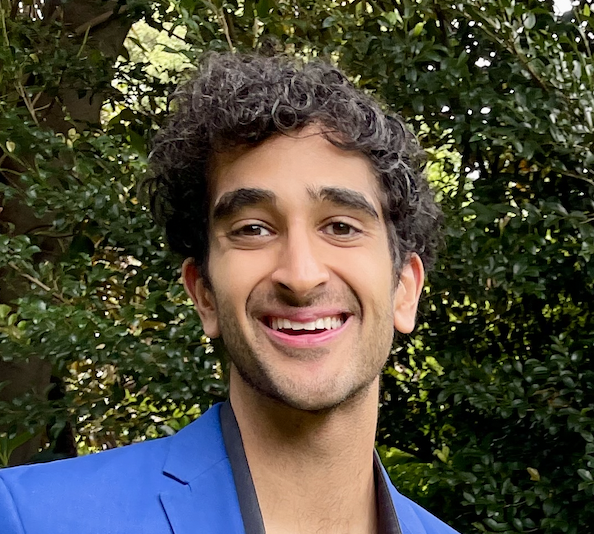



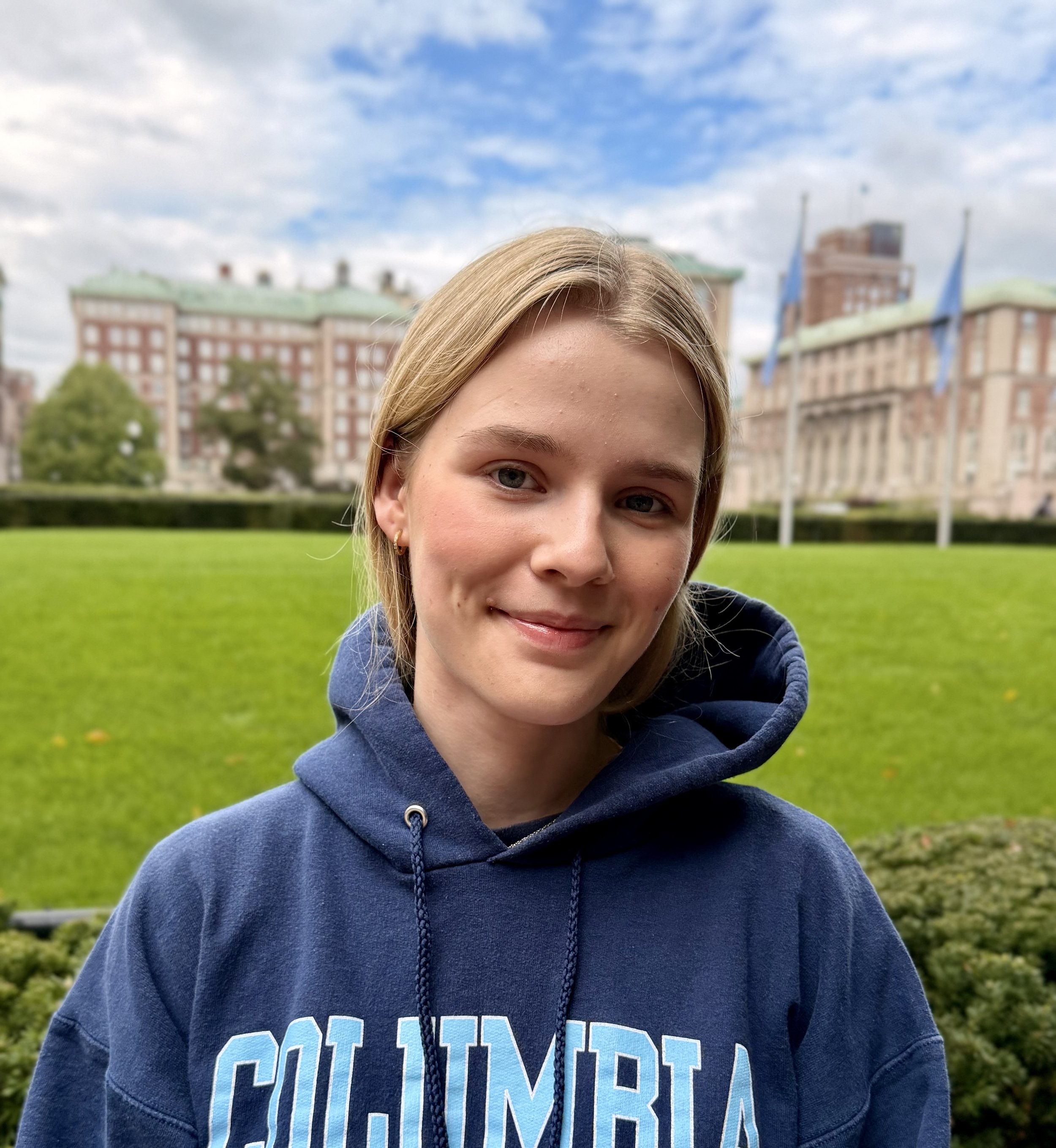
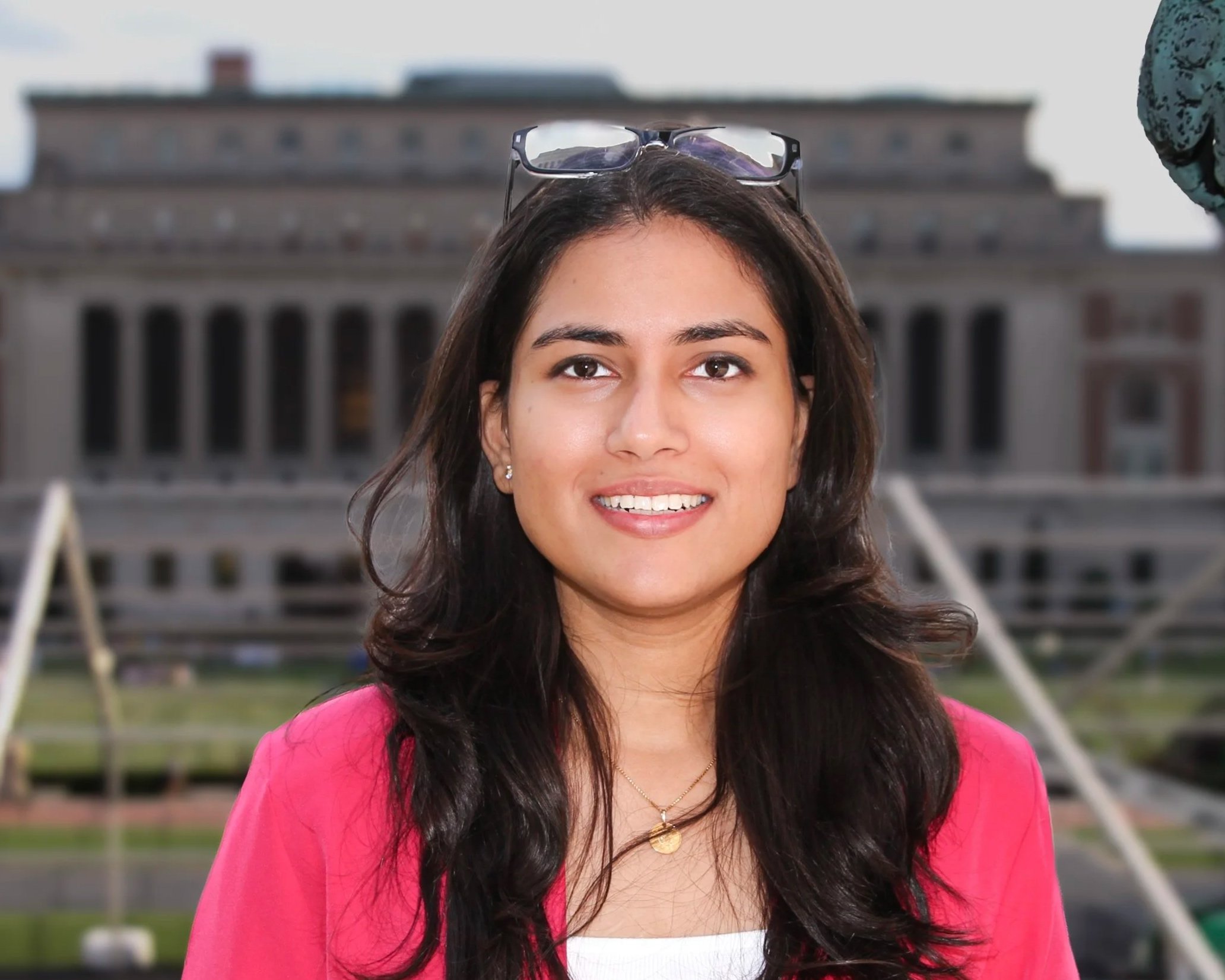
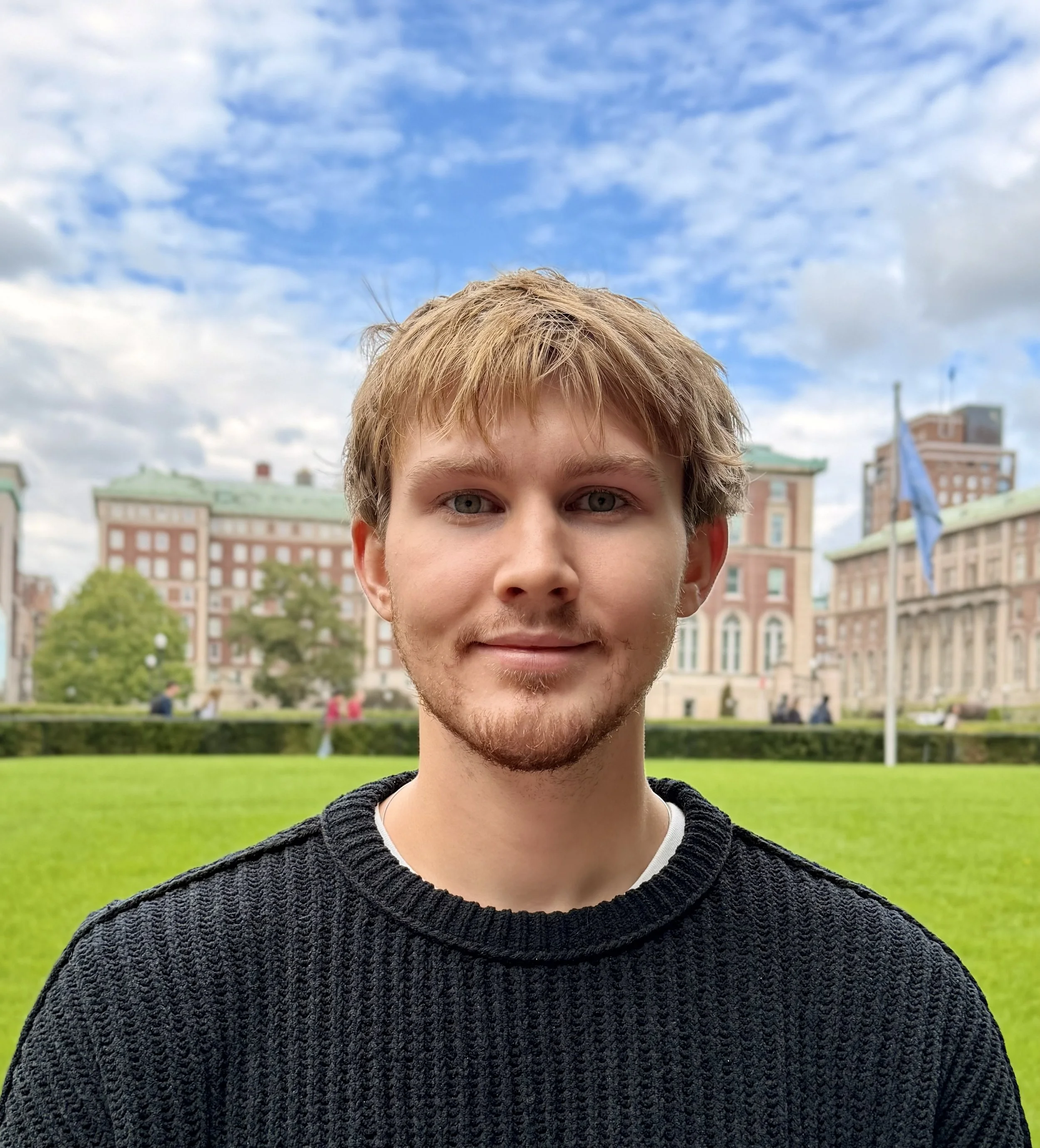
Gil Eyal
Director, Trust Collaboratory
Cristian Capotescu
Associate Director, Trust Collaboratory
Asya Tsaturyan
Postdoctoral Scholar
Gurtej “TJ” Gill
Student Fellow (School of Law)
Jenny Fondren
Community Outreach Coordinator
Zane Glassock
Student Fellow (Columbia College)
Justin Kiel
Student Fellow (Columbia College)
Svava Valfells
Student Fellow (Columbia College)
Kratima Divakar
Student Fellow (SIPA)
Beck Sappington
Student Fellow (Columbia College)
Program Report 2024-25
The Listening Tables started in late summer 2024 as an experiment to bring members of Columbia’s community into conversation with one another. Since then, the tables have grown into more than 150 sessions that engaged close to 2000 participants.
Our report presents the many hands that made this project possible and highlights the lessons we learned from our work. We also have some fun facts for you: who hosted the most tables or who attended the most sessions. In addition, we’ve included bonus material from our inaugural Listening Tables Core Fellowship Program, run in collaboration with the Columbia Core Curriculum and Earl Hall.
Follow us on social media for updates and stories: